Forgiving Yourself Takes Time but You Deserve to Heal
Many trauma survivors carry a weight that no one else can see. It is the weight of self-blame, regret, and the belief that somehow, they should have done something differently. If you have ever struggled with forgiving yourself, you are not alone.
You might feel like you should have known better. You might replay the past, wondering what you could have done to change things. You might even blame yourself for things that were never your fault to begin with. But the truth is, healing requires self-compassion, and that starts with letting go of the guilt you were never meant to carry.
Forgiving yourself does not mean forgetting. It does not mean excusing what happened. It simply means recognizing that you are human, that you deserve grace, and that your past does not define your future.
If you are struggling with self-forgiveness, it is okay. Healing takes time, and every step forward matters.

Why Forgiving Yourself Feels So Hard
Letting go of self-blame is one of the hardest parts of healing. It is easier to be kind to others than it is to be kind to ourselves. But holding on to guilt and shame does not change the past—it only keeps you stuck in pain.
Many survivors struggle with self-forgiveness because:
💜 They feel responsible for what happened, even when it was not their fault.
💜 They believe they should have been stronger, spoken up sooner, or reacted differently.
💜 They replay the past over and over, wishing they could change it.
💜 They feel like healing means they are “letting themselves off the hook.”
If any of this sounds familiar, I want you to hear this: you did the best you could with what you knew at the time. You do not have to keep punishing yourself to prove that what happened was real. Your pain is real, but so is your right to heal.
You deserve peace. You deserve healing. You deserve to move forward without carrying the weight of blame that was never yours to begin with.
How to Start Forgiving Yourself
Self-forgiveness is not about erasing the past. It is about making peace with it so you can move forward. Here are some ways to begin:
1. Recognize That You Are Not to Blame
One of the most painful things survivors experience is unearned guilt—the feeling that they should have done something differently, even in situations where they had no control.
If someone hurt you, manipulated you, or put you in a situation where you felt powerless, that is not your fault. No one asks to be hurt. No one deserves to experience pain or trauma.
Even if you feel like you made mistakes along the way, that does not mean you deserved what happened. You were doing the best you could with the knowledge, resources, and circumstances you had at the time.
Try this:
Write a letter to yourself as if you were writing to a friend in your situation. What would you tell them?
Make a list of things you wish you could have done differently—then write a response to yourself with kindness and understanding.
Remind yourself that hindsight is clear, but in the moment, you were simply trying to survive.
2. Challenge the Negative Thoughts That Keep You Stuck
Self-blame often comes from the way we talk to ourselves. If you have ever said, “I should have known better,” or “It was my fault,” you are not alone. But just because a thought is loud does not mean it is true.
Ask yourself:
Would I blame someone else if this happened to them?
Am I holding myself to an impossible standard?
What would I say to a loved one if they were feeling this way?
The way you speak to yourself matters. You deserve the same kindness you would give to someone you care about.
Try this:
Every time you catch a self-blaming thought, write it down. Then, rewrite it as if you were speaking to a friend.
Make a list of things that were out of your control and remind yourself that you are not responsible for everything that happened.
Practice saying kind things to yourself in the mirror, even if it feels uncomfortable at first.
3. Understand That Healing Is Not a Straight Path
Some days, you might feel like you are making progress. Other days, old feelings of guilt and shame might resurface. This does not mean you are failing—it means you are human.
Healing is not about reaching a place where you never feel pain again. It is about learning how to give yourself grace on the hard days and keep moving forward.
Try this:
When you feel stuck in guilt, remind yourself, “I am healing, and healing takes time.”
Write about a time when you forgave someone else. What made it possible? How can you offer that same grace to yourself?
Take a moment to reflect on how far you have come, even if you are not where you want to be yet.
Forgiving Yourself Does Not Mean Forgetting—It Means Freeing Yourself
You are not defined by your past. You are not defined by your worst moments. You are a person who has survived something hard, and you deserve to move forward without carrying guilt that does not belong to you.
Forgiveness is not about excusing what happened. It is about choosing to no longer let it control your future.
If you are struggling to forgive yourself, be patient. Healing is a process, not a one-time decision. Keep showing up for yourself. Keep reminding yourself that you are worthy of healing. Keep taking small steps forward, even on the days it feels impossible.
Because you are worthy of love, understanding, and self-compassion—always.
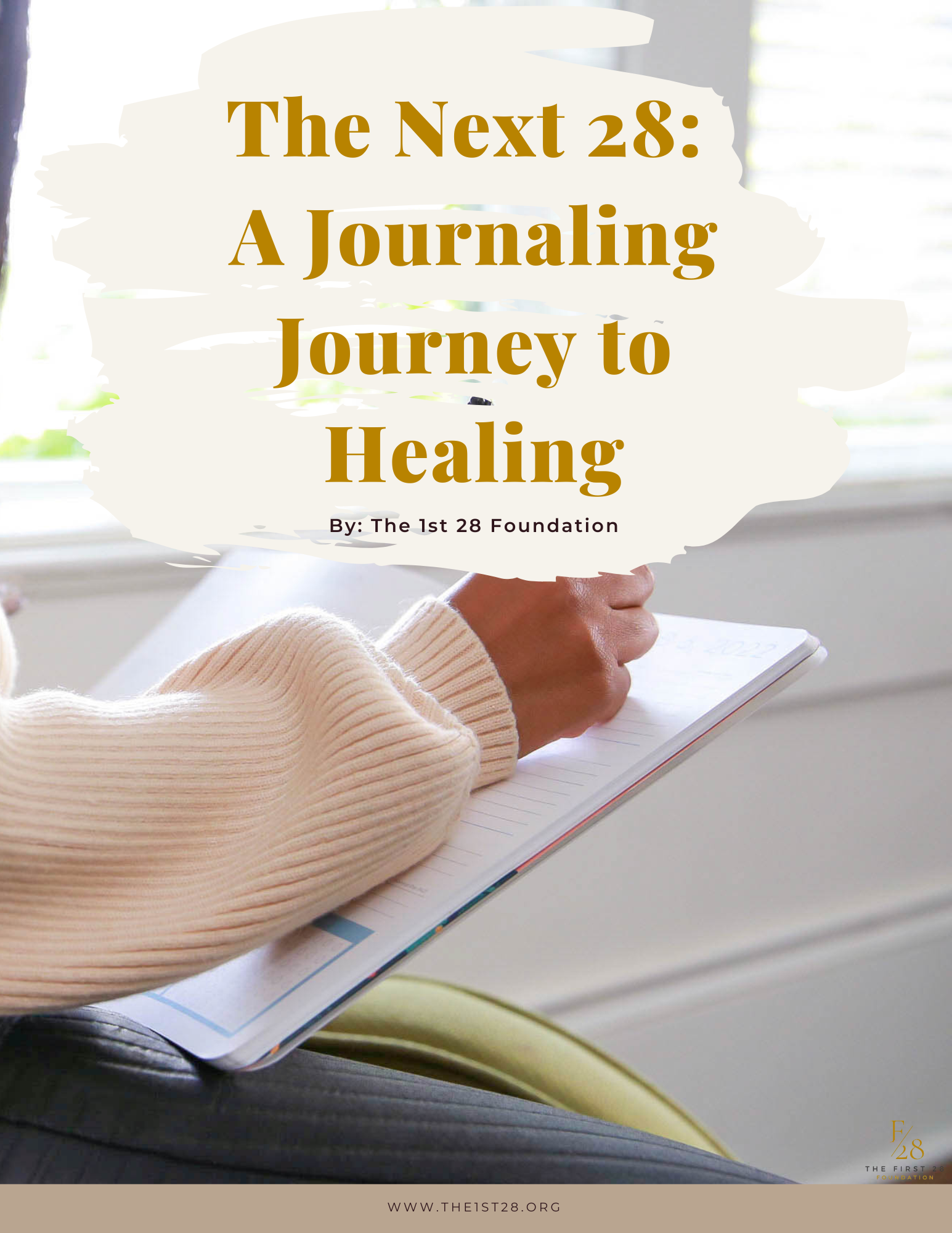
If you are working through self-forgiveness and need a space to process your emotions, The Next 28: A Journaling Journey to Healing can help.
This free, guided journaling experience was created for survivors who need a safe and structured way to release emotions, reflect on their healing, and move forward with self-compassion. Over 28 days, you will receive daily journal prompts and words of encouragement to help you navigate self-forgiveness, emotional release, and personal growth.
Healing does not happen all at once, but every step forward counts. Download your free copy today and take that first step toward forgiving yourself and reclaiming your light.