Mental Health Is for Us, Too! Destigmatizing Therapy and Healing in Our Communities
May is Mental Health Awareness Month, and for many of us—especially Black and brown women who are trauma survivors—this time of year can feel complicated. It’s not just about mental health awareness—it’s about everything we’ve had to carry without support. For some of us, the idea of therapy still feels foreign. We were raised in homes where mental health was either dismissed or demonized. Where therapy was “a white people thing.” Where showing emotion meant weakness. Where depression was seen as laziness, and anxiety was just “being dramatic.”
Some of us were taught to pray it away. Others were told to stay quiet and keep it moving. “Be strong,” they said. “Don’t air our business.” “You’ll be fine.”
But here’s the truth: mental health is not a luxury, a trend, or a weakness. It’s a basic human right. And it’s for us, too.
We deserve spaces where we can breathe without judgment, cry without shame, and heal without needing to explain ourselves. Whether your trauma happened years ago or just yesterday, whether you're managing depression, burnout, anxiety, or numbness—your mental health matters.
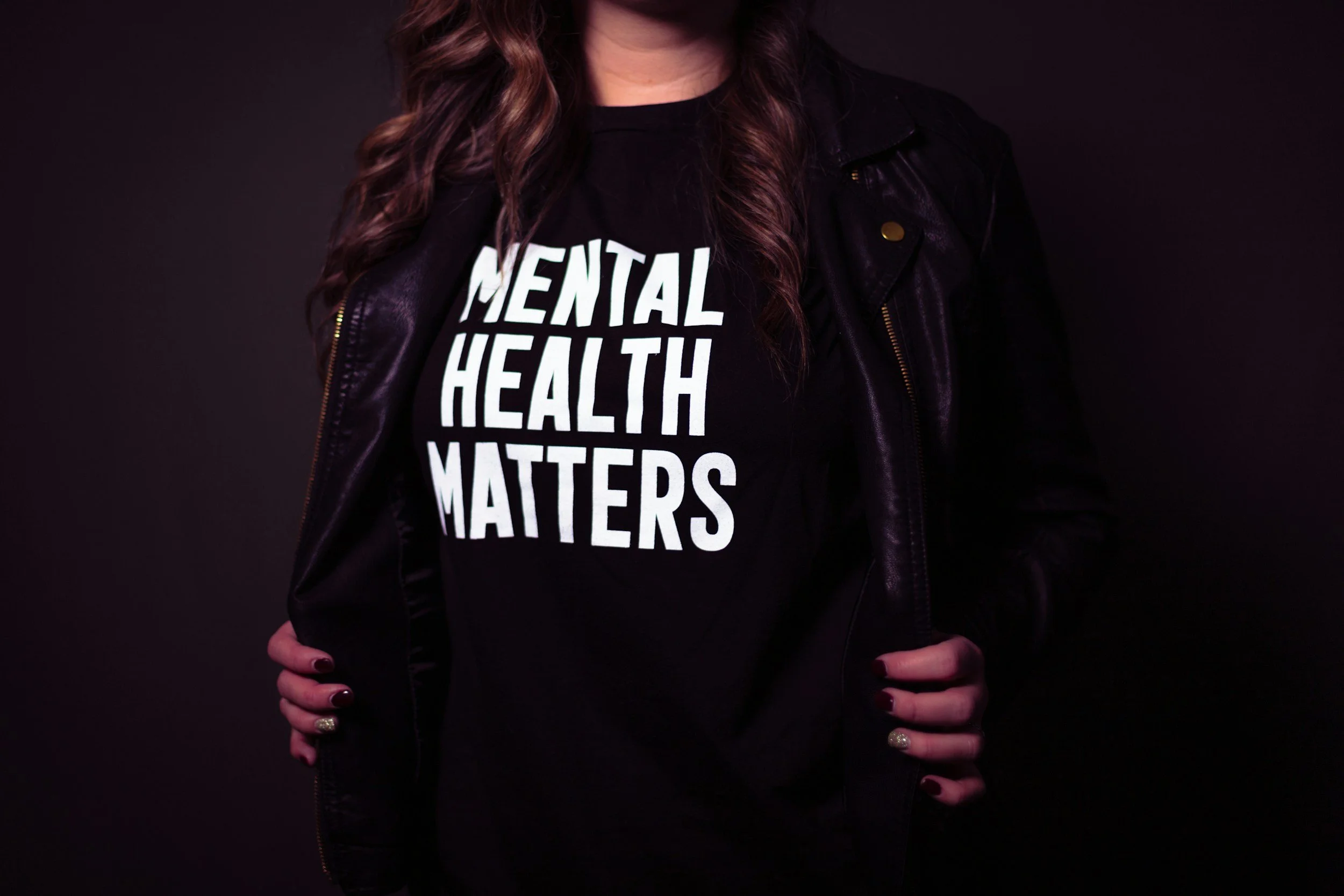
The Stigma Is Real—and So Is the Need
In many communities of color, the conversation around mental health and trauma recovery is just starting to unfold in public. But the silence has been with us for generations.
We’ve inherited the belief that being strong means staying silent. That surviving means not needing support. That needing help makes us broken. We internalize the fear that if we say, “I’m not okay,” someone will dismiss us, blame us, or worse—use it against us.
But the truth is, trauma doesn’t disappear just because no one talks about it. It shows up in our sleep, in our parenting, in our ability to trust or rest. It shows up in the way we overextend, overwork, and over-perform—just to prove that we’re okay when we’re not. Unhealed trauma can lead to anxiety, depression, emotional shutdown, chronic fatigue, and even physical illness.
So if you’re someone who’s been silently surviving—this is your reminder: you’re not alone, and you deserve more than survival.
Why Therapy Feels Out of Reach (And What We Can Do About It)
Let’s be honest—therapy is not always easy to access, especially for those of us navigating systems built without us in mind. It can feel expensive, particularly without insurance. The waiting lists are long. And even when you find someone, they might not understand the cultural layers of what you’ve been through.
For many Black and brown women, there’s a real and painful disconnect between our lived experiences and the frameworks most therapists are trained in. We’re tired of explaining our hair, our tone, our trauma, our families—before we can even get to the reason we booked the session. Add in fears around judgment, shame, or the belief that therapy somehow makes you weak or "crazy," and it’s easy to understand why many of us feel like mental health support just isn’t for us.
Some of us are still carrying generational silence. We were raised on, “What happens in this house stays in this house.” Or we’re wrestling with questions like, “Can I believe in God and still go to therapy?” That confusion is real. The tension between faith and therapy is something many of us are still working through.
But despite these barriers, more of us are finding our way into healing spaces—through therapy, yes, but also through journaling, group support, spiritual care, and community. If you’ve been searching for answers, Googling things like “how to find a Black therapist” or “what to do when therapy is too expensive,” you’re not behind. You’re right on time. You’re exactly where you need to be.
Therapy Is Just One Tool—Not the Only One
Let’s affirm this together: therapy can be transformative—but it’s not the only path to healing. Especially when you're healing from trauma, sometimes the first step isn't scheduling an appointment. Sometimes, it's finding a quiet moment, putting pen to paper, and allowing yourself to feel.
Journaling can be a safe, sacred space to process thoughts, track your emotions, and reconnect with your voice. It gives you permission to slow down and tell your truth—even if you never say it out loud to anyone else. That’s why we created A Journaling Journey to Healing: a free, digital trauma recovery journal designed specifically for women of color. With guided prompts, affirmations, and emotional check-ins, it meets you wherever you are in your journey.
Healing doesn’t have to be clinical to be real. Some of us are finding restoration in spiritual spaces—whether it’s prayer, meditation, ancestral rituals, or grounding practices rooted in faith and tradition. Others are attending community healing circles, reading books by Black and brown therapists, or listening to podcasts that speak directly to our lived experience.
There’s no one “right” way to heal. What matters most is that you start somewhere—with something that feels safe, real, and affirming to you.
Let’s Be Honest: Being “Strong” Almost Broke Us
The pressure to be strong has been passed down like inheritance. For generations, Black and brown women have been expected to carry it all: The Strong Black Woman. The Good Immigrant. The Perfect Daughter. The one who doesn’t cry. The one who always shows up. The one who never breaks down.
But we were never meant to carry this much alone.
The truth is, strength without support is not strength—it’s survival mode. And we can’t stay in survival forever. It will burn us out. It will steal our joy. It will convince us that healing isn’t possible.
Real strength is rest. Real strength is vulnerability. Real strength is saying, “I need help.”
Mental health isn’t about being fixed—it’s about being fully human. It’s about making space for your whole self: the grief, the rage, the softness, the joy. You don’t have to keep performing strength for a world that doesn’t see your pain.
You get to be whole. You get to be cared for. You get to heal.
Quotes to Carry With You
These are the reminders we wish someone had told us sooner:
🖤 “You don’t have to earn rest.”
🖤 “You are allowed to need support—even if others didn’t.”
🖤 “There is no weakness in being wounded. Only wisdom in seeking healing.”
🖤 “Mental health is for us, too.”
Write one of these in your journal today. Say it out loud. Let it sink in.
Start With One Step Today
Healing doesn’t happen all at once. But it begins with one decision: to choose yourself. If you're ready to take that step toward emotional wellness and mental clarity, start with a journal built just for you.
Download A Journaling Journey to Healing — a free digital journal for trauma survivors that honors your culture, your truth, and your healing process.
Whether you’ve been in therapy, tried it and left, or are just starting to explore your healing journey, this journal is a place to begin reclaiming your mental peace.
The 1st 28 Foundation Is Here for You
At The 1st 28 Foundation, we know healing isn’t linear—and it doesn’t happen in isolation. That’s why we create spaces and tools designed for survivors from communities that have been underserved and unheard for far too long.
This Mental Health Awareness Month, we want you to remember:
Mental health is for us, too.
Let’s create a world where our healing is prioritized—not postponed. Where our rest is protected. Where our pain is acknowledged. And where our wholeness is celebrated.
You are not alone. You never were.
Join the Movement
Explore our full list of mental health tools at The1st28.org
Follow us on Instagram @the1st28foundation
Share this blog with someone who needs this reminder: You are not alone.