Why Survivors Of Sexual Violence Are More At Risk For Suicide
Content Note: This post discusses sexual assault and suicide. If you're in crisis, please call the 988 Suicide & Crisis Lifeline or RAINN’s National Sexual Assault Hotline at 800-656-HOPE (4673) or visit rainn.org to chat with someone 24/7.
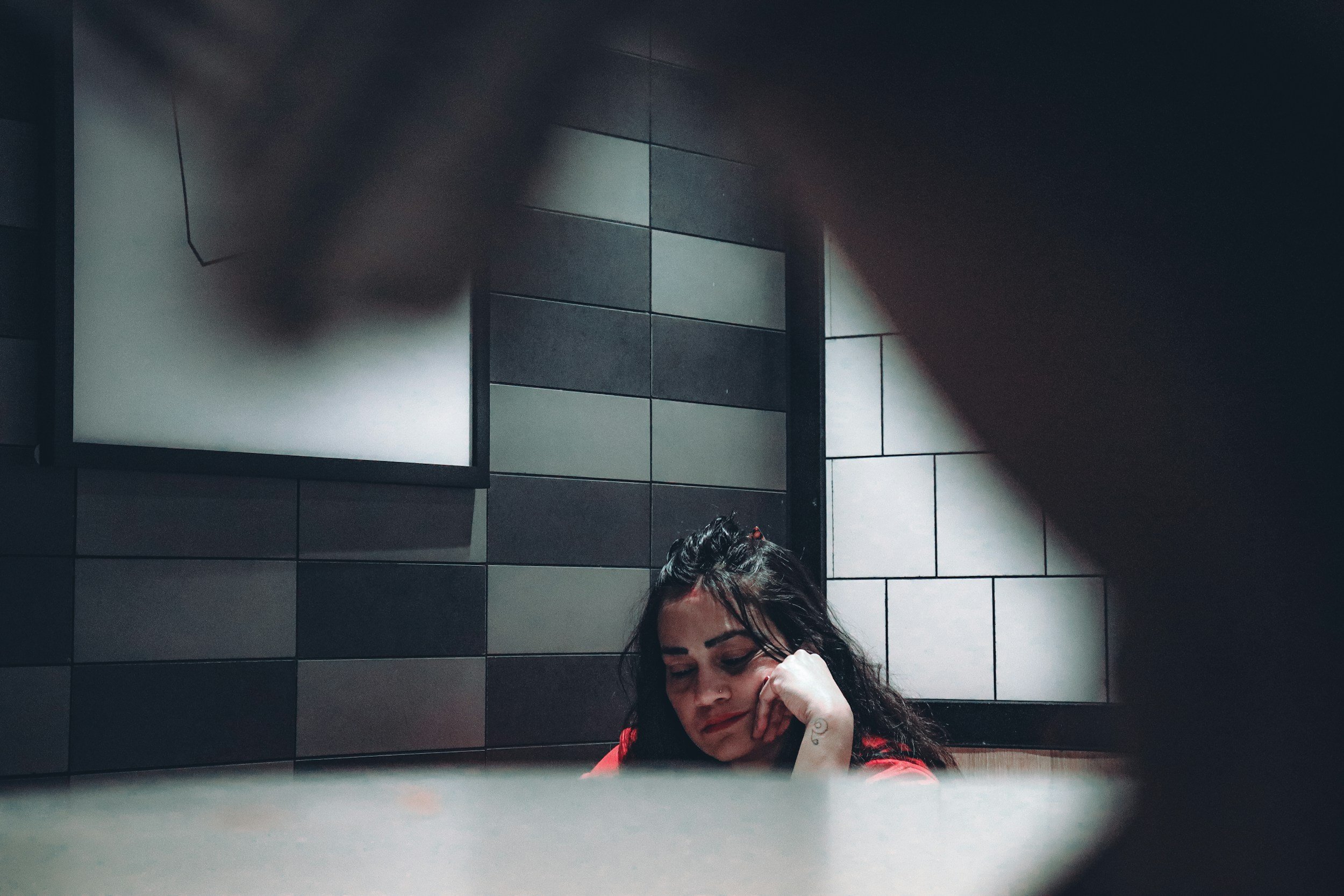
If you have ever felt like giving up after being assaulted, you are not alone!
Let’s say that again. If you are a survivor of sexual violence, and you have ever felt like life was too much, like it might be easier to not wake up tomorrow, like the world will never understand what this has done to you, then know this — you are not weak. You are not dramatic. You are not wrong for feeling that way.
You are surviving something that many people don’t talk about, but too many people live through.
Sexual violence changes you. It doesn’t just affect your body. It shifts your sense of safety, your identity, your connection to others, and sometimes, your will to live. And when survivors don’t have the support they need, those internal wounds can turn into dangerous thoughts.
That’s why we are talking about it. That’s why this matters. Because your life matters.
The silent connection between sexual violence and suicide
“81% of women who experience rape or attempted rape report short- or long-term impacts such as PTSD, suicidal thoughts, or self-harm.”
You will not hear this enough, survivors of sexual assault face a much higher risk of suicide than the general population.
This is not just emotional. This is backed by research:
Studies have shown that sexual assault survivors are at significantly higher risk for suicidal thoughts, self-harm, and suicide attempts
Survivors who were assaulted more than once or who were not believed are even more vulnerable
Black and brown women, who are often ignored, blamed, or criminalized after assault, face increased risk and often go without support
The trauma of being violated, especially when it is followed by silence, shame, or disbelief, leaves many survivors feeling like their pain is too much to carry. Too loud to speak. Too deep to fix.
For some, the pain becomes so overwhelming that suicide starts to feel like the only way to make it stop.
Why Surviving The Assault Is Just The Beginning
The moment of the assault is not always the hardest part. It is everything that happens after.
It’s having to pretend you are okay when you are not.
It’s trying to go back to work or school while your body still feels unsafe.
It’s watching people treat your pain like it is something to get over quickly.
It’s being blamed, ignored, or dismissed.
It’s being told to pray it away, drink it away, or just let it go.
It’s the fear of being triggered by a smell, a voice, a touch, or a memory at any moment.
It’s being afraid to sleep. Or sleep is the only escape.
It’s losing your sense of self, of joy, of trust.
It’s feeling like no one will ever understand what was taken from you.
This is what makes the pain so complex. It doesn’t just live in your past. It shows up in your present, and if you don’t have the support you need, it can feel like there is no future.
That is not a sign that something is wrong with you. It is a sign that something deeply wrong happened to you.

The Thoughts That Come In Quiet Moments
“1 in 3 rape survivors has contemplated suicide. 1 in 10 has attempted it.”
Not every survivor has suicidal thoughts. But many do. And they are often afraid to admit it. You might be someone who smiles around others but crumbles when you're alone. You might be high-functioning, successful, and still think about disappearing. You might feel guilty for not being “grateful” to be alive.
Suicidal thoughts do not always look like what you see in the movies. Sometimes they sound like:
“I just want to stop feeling like this.”
“I’m tired.”
“If I died, I don’t think anyone would notice.”
“I don’t want to kill myself, but I don’t want to keep living like this.”
“What’s the point of surviving this if I still feel broken?”
These thoughts are painful, but they are also common among survivors. What matters most is not whether you have them, but what you do with them. You do not have to carry them alone.
Warning Signs To Watch For In Yourself Or Others
If you are a survivor who has these thoughts, or you love someone who has been assaulted, it helps to know the signs that someone might be thinking about suicide:
Withdrawing from friends and family
Talking about being a burden
Expressing hopelessness
Changes in sleeping or eating
Loss of interest in things they used to enjoy
Giving away personal items
Saying goodbye in subtle or direct ways
Sudden calm after intense sadness
Some people show many signs. Others show none. That is why creating safe, judgment-free spaces for conversation matters so much. When someone feels safe enough to speak, we have a chance to help them stay.
What Survivors Actually Need
Survivors don’t always need advice. They don’t need people to fix them. They need to be heard. Believed. Seen. Protected. They need rest without being called lazy. They need space without being told they are cold or distant. They need time without being told to hurry up and heal.
They need reminders that what they feel is valid, even if no one else understands it.
They also need access to real support. For survivors who are having suicidal thoughts, that means trauma-informed mental health services and trained professionals who know how to hold space for this kind of pain.
No one should have to choose between silence and shame. No one should feel like suicide is the only way to end their suffering.
You Are Not Broken. You Are Doing Your Best.
If you are reading this and you are struggling, take a breath. You are already doing more than you think.
You may not have all the answers today, and that is okay. You may not know what healing looks like for you yet, and that is okay.
You may feel angry, numb, or tired of trying. That is okay too.
Your story is not over.
You deserve support that honors what you have survived. You deserve to feel safe again, even if you don’t know how to get there yet. You deserve to live , not just survive.
Where To Turn When You Are Not Okay
Help is out there, and it is made for moments like this.
If you or someone you love is in crisis or thinking about suicide, please reach out. There is no shame in asking for support. It could save your life, or someone else’s.
Reach out to these national resources:
988 Suicide and Crisis Lifeline
Call or text 988 from anywhere in the U.S. for free, confidential support 24 hours a day.RAINN National Sexual Assault Hotline
Call 800-656-HOPE (4673) or visit rainn.org for anonymous, 24/7 chat with trained support specialists who understand sexual trauma.The Trevor Project
If you are LGBTQ+ and in crisis, visit thetrevorproject.org or text START to 678-678 for 24/7 support.
You don’t need to have all the words. You just need to reach out. These spaces are here for you.
Let’s close out today post…
Sexual assault is a violation, a trauma, and for many, a life-altering experience. But it does not define your worth, and it does not have to be the end of your story. You are here. You are reading this. That means there is still time, still breath in your body, still strength in you, even if it feels small.
You matter. Your life matters. And you are not alone.