Why Traditional Recovery Spaces Do Not Always Work For Survivors Of Sexual Assault
Content Note: This post discusses sexual assault and recovery. If you're in crisis or need to talk, call or text the 988 Suicide and Crisis Lifeline, or call the RAINN National Sexual Assault Hotline at 800-656-HOPE (4673). You are not alone.
Healing Is Not One-Size-Fits-All
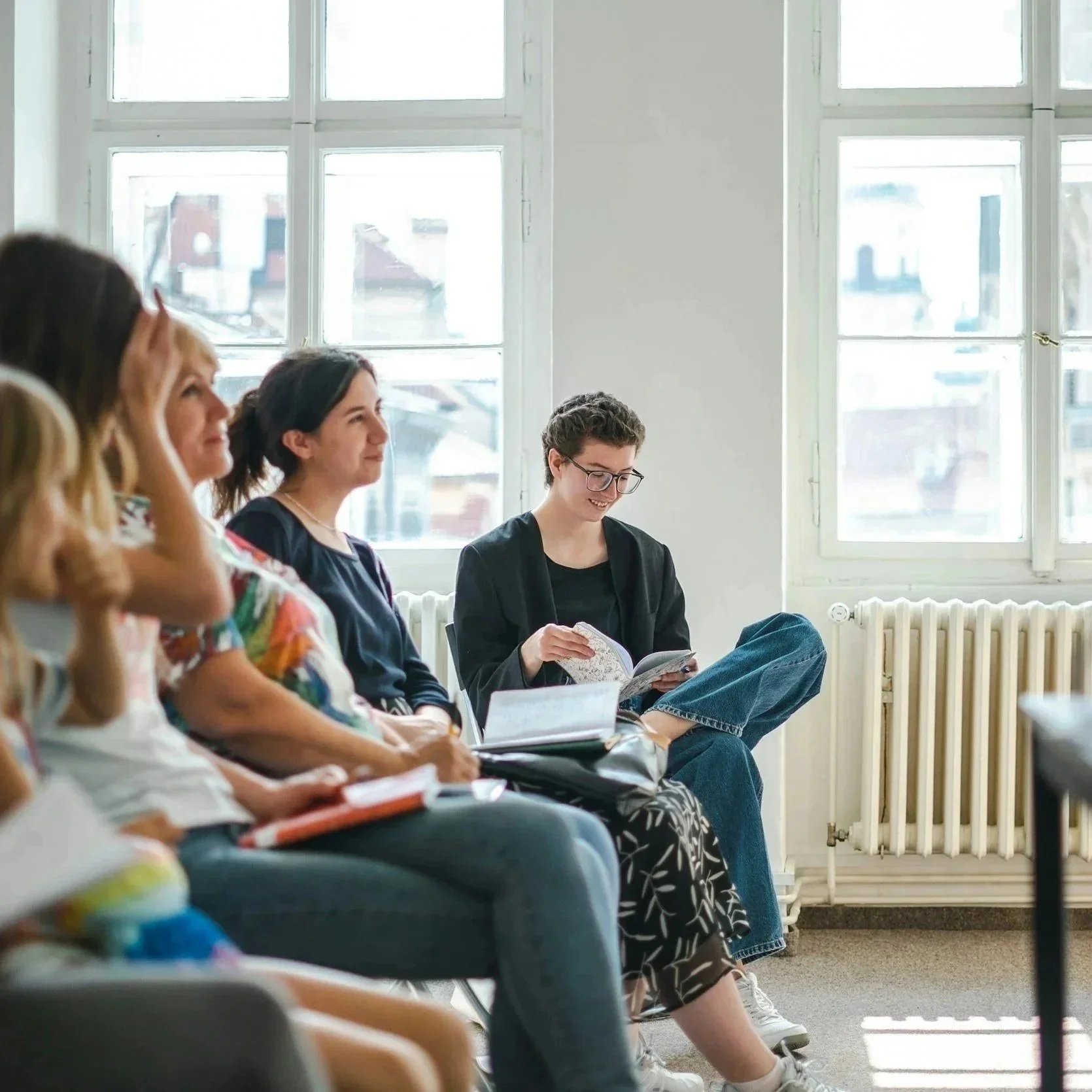
If you’ve ever tried a recovery group, therapy session, or support circle and left feeling more invisible than seen, you are not alone.
You might have wondered, Is it me? Why didn’t this help? Why does it feel like I don’t belong here?
It’s not just you. Many traditional recovery spaces were not built with survivors of sexual violence in mind. And when your trauma is sexual, the kind of healing you need goes deeper than surface-level talk or pre-written steps.
This doesn’t mean recovery isn’t possible. It means we need to talk honestly about what’s missing.
What we mean by “traditional recovery spaces”…
Traditional recovery spaces include:
General therapy or counseling
Group therapy or peer support circles
Substance use recovery programs
Mental health outpatient services
Wellness retreats or self-help seminars
Faith-based recovery groups
While these spaces can be helpful for some, they don’t always meet the needs of survivors of sexual assault. And they often leave out women of color entirely.
Why They Don’t Always Work For Survivors
The conversation avoids sexual violence…
Many spaces talk about trauma in general but avoid the hard, specific truth about sexual assault. Survivors end up feeling like their pain is too dark or off-topic. When you share your truth and it is met with silence or discomfort, it is easy to shut down. Research shows that survivors of sexual assault are more likely to leave treatment early when the program is not trauma-informed or survivor-centered. Source: SAMHSA, Trauma-Informed Care in Behavioral Health Services
They Weren’t Designed By Or For Survivors…
A lot of programs were created by people who have never lived through sexual violence. That lack of lived experience shows up in the way conversations are framed or in the pressure to follow steps that don’t match our reality.
According to RAINN, 94 percent of women who are raped experience symptoms of post-traumatic stress disorder (PTSD) in the two weeks immediately after the assault. (Source: RAINN, citing the National Women’s Study) These symptoms can include flashbacks, panic, sleep problems, and emotional shutdown.
When recovery spaces are not designed with those realities in mind, survivors may feel misunderstood or re-traumatized.
They Don’t Center Cultural Or Racial Identity…
For many Black and brown women, recovery is even more complex. We carry not only the pain of the assault, but also the weight of being silenced or criminalized.
The National Sexual Violence Resource Center reports that Black women are less likely to receive counseling or advocacy services after an assault and more likely to face barriers when reporting. (Source: NSVRC, Women of Color and Sexual Violence Report, 2022)
When traditional recovery spaces ignore race, culture, or community, survivors of color often feel like guests instead of participants.
The Expectations Are Too Rigid…
Some recovery programs expect survivors to share openly on command or follow a fixed timeline. But healing after sexual violence doesn’t work that way.
81 percent of women report long-term effects like depression, anxiety, or suicidal thoughts after being raped. This means recovery takes time and may look different for each survivor. Rigid models don’t leave space for that reality. Source: RAINN.org
Survivors Don’t Feel Emotionally Safe…
If you’ve ever left a group feeling worse than when you arrived, it’s not because you’re too sensitive. It may be that the space wasn’t safe.
That can look like:
Being asked to share before you are ready
Hearing triggering stories without proper support afterward
Having your emotions minimized or dismissed
Feeling like your pain is being compared to others
When a space isn’t emotionally safe, survivors shut down. Healing cannot happen without safety.
Statistics that speak the truth
The numbers show why survivors need more than traditional recovery models:
81 percent of women who were raped experience long-term mental health impacts such as anxiety, depression, and suicidal thoughts
One in three survivors has considered suicide
One in ten survivors has attempted suicide
LGBTQ+ survivors are 2.5 times more likely to attempt suicide than non-LGBTQ+ peers who have not been assaulted
Only 16 percent of survivors ever receive follow-up mental health care
Sources: RAINN, JAMA Psychiatry (McCauley et al., 2019), The Trevor Project 2023, CDC
What survivors of sexual assault actually need
Support that honors our stories - Spaces where survivors can name what happened, in our own words, without being silenced.
Culturally relevant care - Therapists, advocates, and spaces that reflect our identities and communities.
Consent-based healing - Freedom to say no, to share at our own pace, to sit in silence, to ask questions without shame.
Flexibility And Time - Recovery that adapts to our rhythms instead of forcing us into rigid programs.
Everyone Deserves Connection Without Comparison - Support that validates every survivor’s pain without ranking or minimizing. If you’ve tried and it didn’t work, it’s not your failure.
You may have left a group. You may have quit a program. You may feel like recovery isn’t for you. But that doesn’t mean you are broken. It means the system was not built for your kind of pain. Survivors deserve spaces that center us, see us, and believe us.
You are not hard to help!
You are not too damaged.
You are not too quiet.
You are not too angry.
You are not too much.
You are a whole person who experienced harm. And you deserve whole care.
If you are in crisis…
If this feels heavy to hold on your own, please reach out.
Call or text 988, the Suicide and Crisis Lifeline
Call RAINN’s National Sexual Assault Hotline at 800-656-HOPE (4673)
Visit rainn.org to chat online with a trained advocate
You deserve support that sees the real you.