


The Quiet Courage of Everyday Healing
Most of healing does not look like a breakthrough moment. It looks like getting out of bed on a hard day. It looks like choosing yourself in a quiet moment when no one is watching. In Part 2 of the Still Standing series, we are talking about the kind of courage that never gets recognized, the everyday work of surviving and healing that survivors do in the spaces in between. If you have ever felt like your healing is not dramatic enough to count, this one is for you.

You Are More Than What Happened to You
What happens to your sense of self after trauma? For many survivors of sexual assault, the hardest part is not the immediate crisis. It is the quiet question that shows up later: Who am I now? In this first post of the Still Standing series, we are getting honest about how trauma reshapes identity, why you are not defined by what happened to you, and how to start reclaiming the parts of yourself that were never truly gone. This is for the woman who is somewhere in the middle of healing and needs a reminder that she is still standing, and that her story is far bigger than her worst chapter.

How to Start Over With No Money After Leaving an Abusive Relationship
Starting over with no money after leaving an abusive relationship is one of the most overwhelming things a woman can face. The fear is real, and so is the help. This guide walks through emergency shelter, financial assistance, housing rights under VAWA, career rebuilding resources, and how The 1st 28 Foundation's Next Chapter program can be part of your next step.
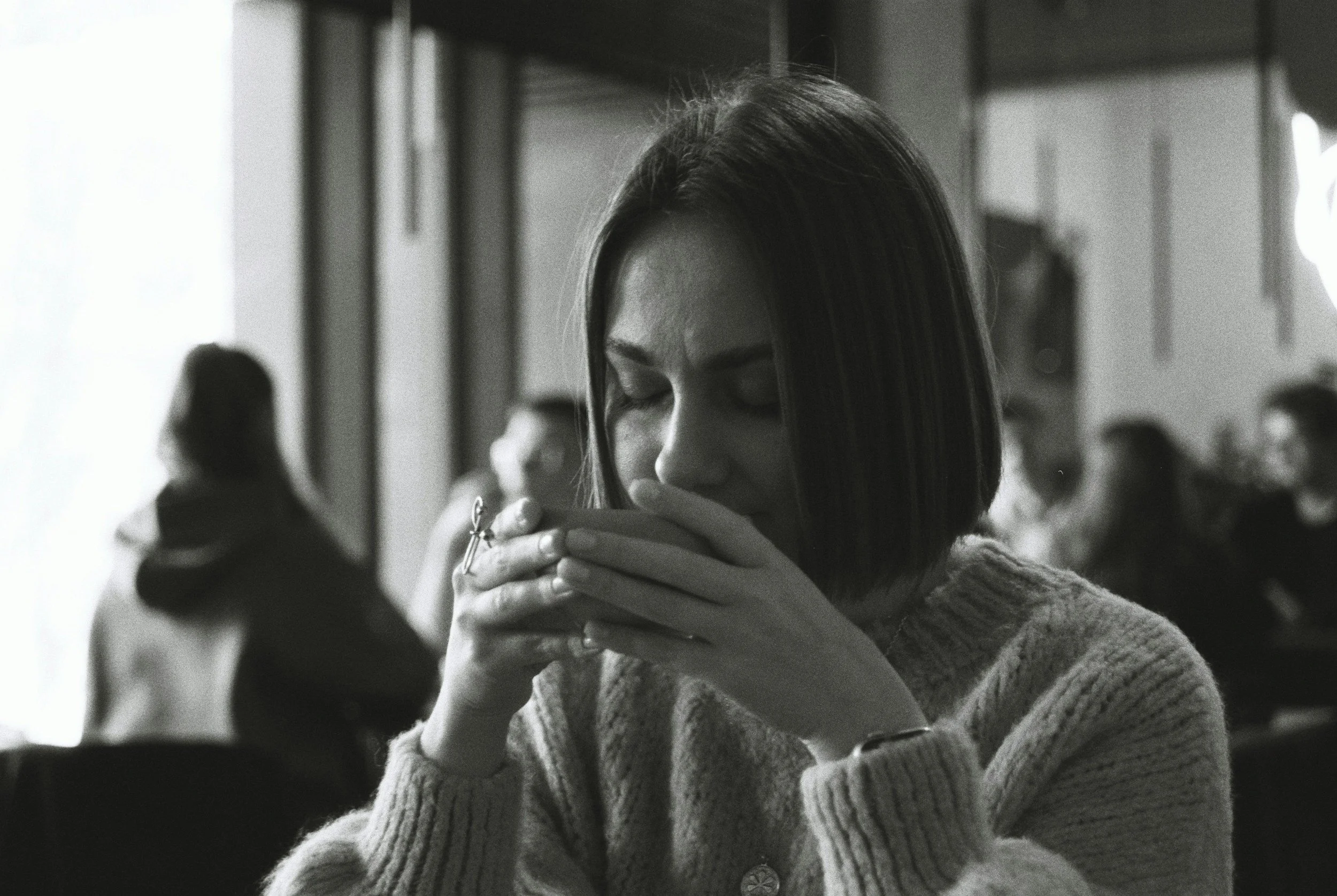
Tips on How to Leave an Abusive Relationship When You Have No Money
If you have ever thought "I would leave if I could afford to," you are not alone, and you are not without options. At The 1st 28, we are not here to tell you what to do. You know your situation better than anyone. What we can share are some things we have seen help other survivors take steps toward safety, even when money felt like the biggest barrier in the way.
Financial abuse is real, it is deliberate, and it is one of the most common reasons survivors stay. The lack of resources you are facing right now was not an accident. There is more help available than most people realize, from free shelter and direct cash assistance to legal aid and community support.
This post walks through practical tips on safety planning, building a quiet emergency fund, accessing free resources, and finding people who can walk this road with you. Take what is useful. Leave the rest. Your light has not gone anywhere.

When You're Running on Empty. Healing Burnout and Chronic Exhaustion
Have you been running on empty, or too tired to rest and too depleted to feel like yourself? Burnout and chronic exhaustion are real, and for trauma survivors and caregivers, they often run deeper than ordinary tiredness. In this post, we explore what burnout really is, why it is so closely connected to trauma and healing, and what you can do to begin gently reclaiming your energy and your light. Whether you are in the middle of your own recovery or you are supporting someone you love through theirs, this post is for you. You are not broken. You are not alone. Let's talk about healing together.

What Not to Say to a Sexual Assault Survivor
When someone you love has been sexually assaulted, you want to say the right thing. The truth is, most of us were never taught how. This guide walks through eight phrases that survivors hear all the time and explains why each one is hard to hear. More importantly, it gives you warm, simple words you can use instead. Whether you are a friend, a partner, a family member, or an advocate, this post will help you show up in a way that truly helps. Because survivors do not need perfect words. They need to feel safe, believed, and loved. You can give them that.
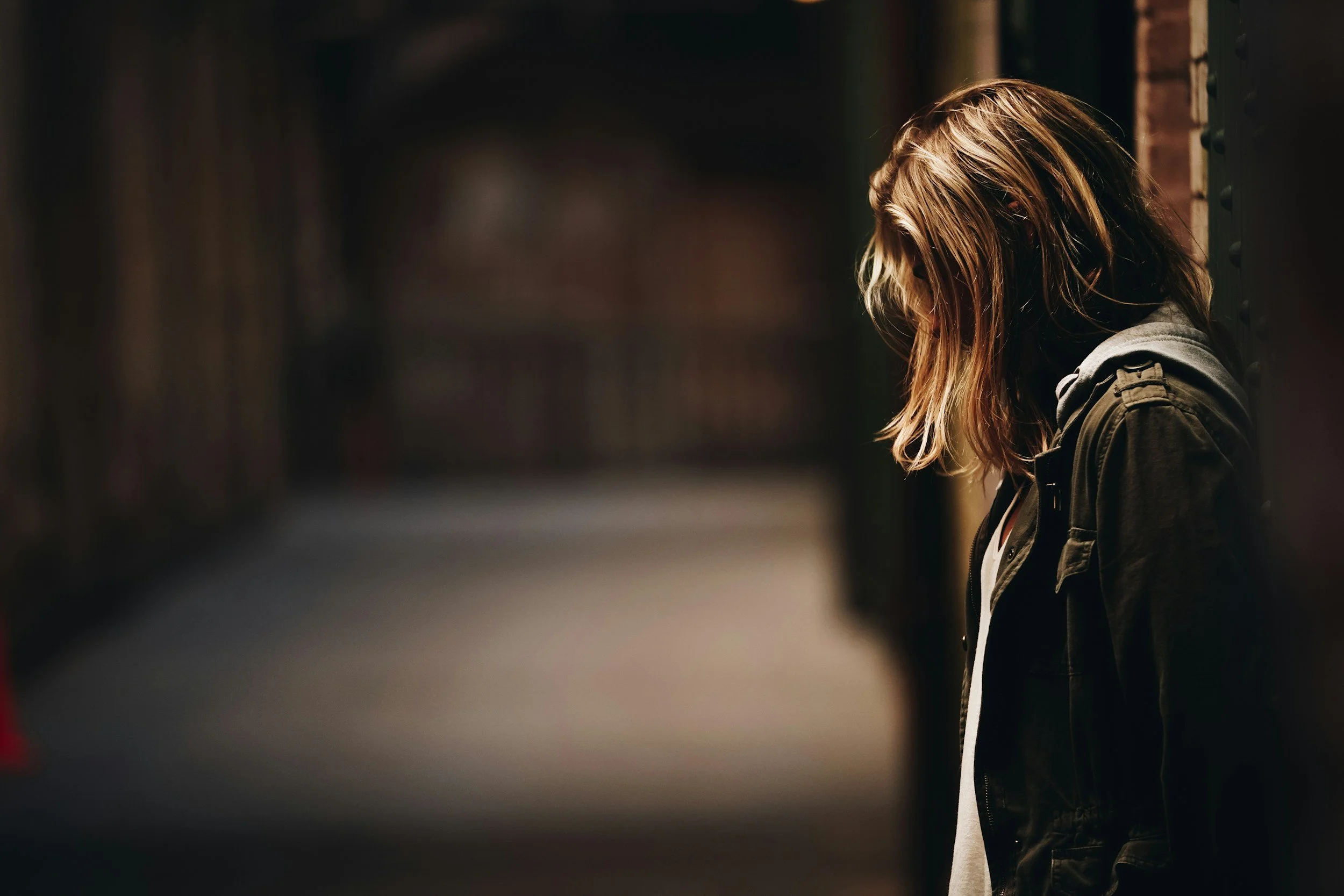
Your Body Kept the Score. What Nervous System Healing Looks Like for Survivors
Your body did not betray you. It protected you.
If you have ever wondered why your heart races at unexpected moments, why you feel frozen when you want to move, or why exhaustion follows you even after rest, this post is for you. Trauma does not only live in the mind. It lives in the muscles, the breath, and the nervous system.
Nervous system healing for survivors is real, and it is possible. In this post, we explore what your body has been carrying, what nervous system responses like fight, flight, freeze, and fawn actually mean, and what healing can look like in your daily life. We also share simple, accessible somatic tools you can start using today.
You are not broken. Your body was always fighting for you. Read on to learn how to gently help it find its way back to safety.
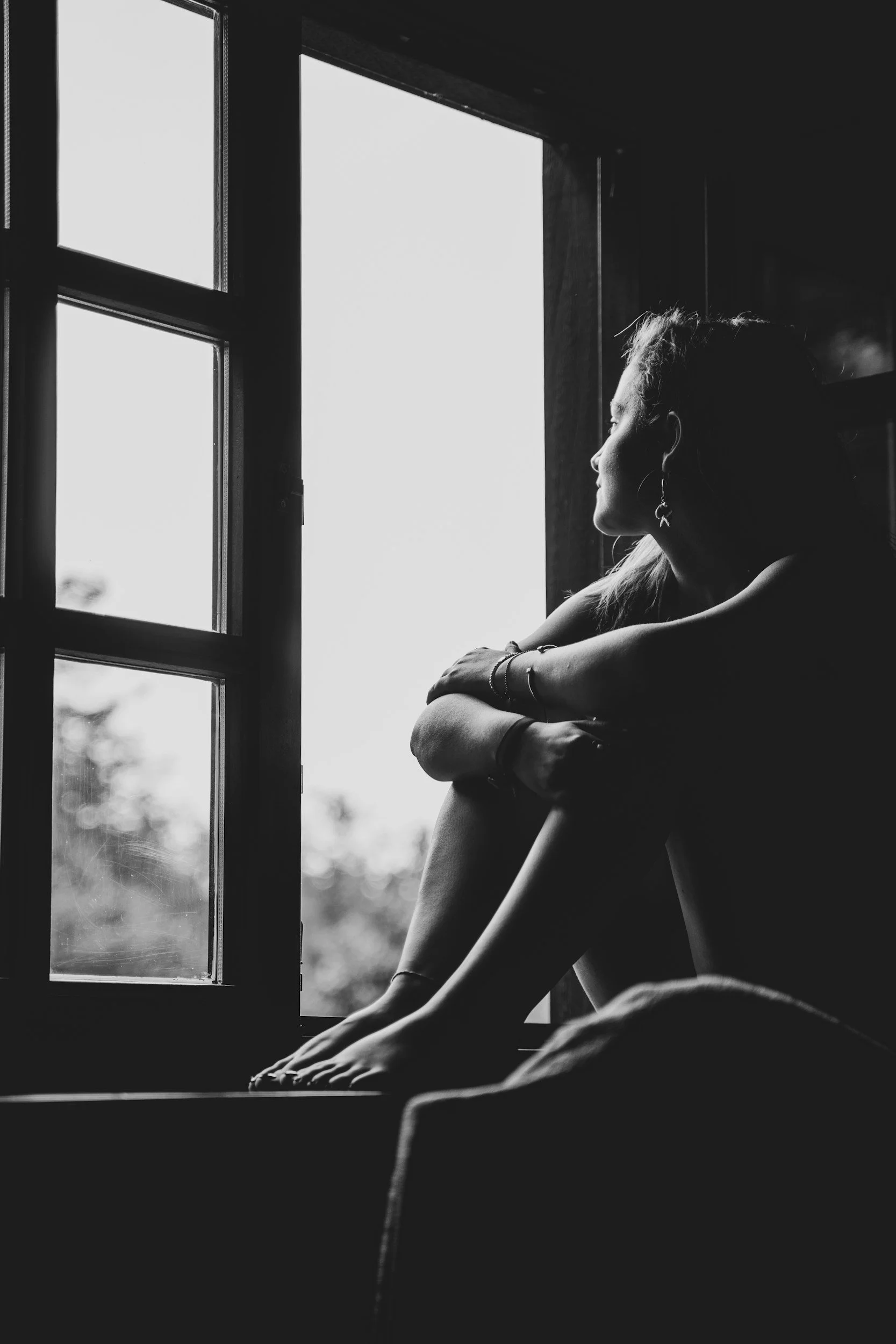
How to Obtain Self-Compassion After Trauma by Healing Your Inner Critic
If you've survived trauma, chances are you've also been living with a relentless inner critic — a voice that replays painful memories, questions your every decision, and whispers shame into your quietest moments. But that voice is not telling you the truth. Self-compassion after trauma isn't a luxury; it's a lifeline. In this post, The 1st 28 Foundation walks you through what the inner critic really is, why it formed, and — most importantly — how to begin healing it with practical, trauma-informed steps rooted in kindness, community, and the belief that your light cannot be taken from you.