Have you ever felt so tired that sleep doesn't even help? Like no matter how much you rest, you wake up still feeling hollow, depleted, and like you're moving through life with a weight pressing on your chest? If that sounds familiar, we want you to know something right now: you are not broken, you are not weak, and you are absolutely not alone.
Burnout and chronic exhaustion are real. They are not signs of failure. They are not something you can shake off with a good night's sleep or a cup of coffee. For trauma survivors, caregivers, advocates, and anyone who has spent a long time carrying more than their fair share, burnout can run much deeper than ordinary tiredness. It lives in the body. It settles into the nervous system. It quietly chips away at the parts of you that used to feel alive with passion and purpose.
At The 1st 28 Foundation, we talk openly about the full experience of healing and that includes the hard days. The days when rest feels impossible. The days when you've poured so much of yourself out for others that there's nothing left to give to yourself. This post is for those days.
Whether you are a survivor working through your own healing journey, a caregiver supporting someone you love, or someone who simply feels like they've been running on empty for way too long, this conversation is for you. We're going to walk through what burnout really is, why it hits some of us harder than others, and what you can gently, practically do to begin healing.

What Is Burnout, Really?
Most of us have heard the word "burnout" tossed around casually, a shorthand for being really, really tired. The truth is, burnout is much more than that. The World Health Organization officially recognizes burnout as a syndrome resulting from chronic, unmanaged stress. It shows up in three key ways: deep emotional exhaustion, a feeling of detachment or numbness from things that used to matter, and a persistent sense that nothing you do is ever quite enough.
Chronic exhaustion, burnout's closest companion, is the state of being relentlessly depleted over time. Unlike ordinary tiredness that a good night's sleep can fix, chronic exhaustion lingers. It accumulates. It becomes the background hum of your daily life.
Some of the most common signs of burnout include:
Persistent fatigue that does not improve with rest
Feeling emotionally numb or disconnected from people and activities you once loved
Difficulty concentrating, making decisions, or remembering things
Physical symptoms like headaches, digestive issues, or getting sick more often
Withdrawing from relationships and social connection
A deep, creeping sense of hopelessness or meaninglessness
Dreading things that used to bring you joy
If several of these resonate with you, please hear this clearly: recognizing burnout is not a failure. It is the first courageous step toward healing. Naming what's happening inside you is an act of tremendous self awareness and strength.
The Trauma-Burnout Connection
For many survivors of sexual assault and trauma, burnout carries an additional weight that most people will never fully understand. Healing from trauma is not just emotional work, it is physical, neurological, and profoundly exhausting work.
Here's why: when we experience trauma, our nervous systems shift into survival mode. The stress response, often called fight, flight, or freeze, is designed to protect us in moments of real danger. The challenge is that for many survivors, the nervous system doesn't receive the message that the danger has passed. It stays activated. It continues scanning for threats. It keeps spending energy, even when life on the outside looks calm and safe.
This chronic state of nervous system activation is one of the most invisible causes of exhaustion in trauma survivors. Imagine a low-level alarm going off in the background of your body, every single day, for months or even years. Your system is burning through energy constantly not because you are doing anything wrong, but because your nervous system is working overtime to keep you safe.
On top of that, healing itself is labor. Going to therapy, processing grief, rebuilding trust in yourself and others, showing up for your life while simultaneously carrying pain. All of this takes immense energy. It is meaningful, important work. It is also genuinely tiring work.
So if you are a survivor and you are exhausted, your exhaustion makes complete sense. Your body has been doing its absolute best to protect you, and it is tired. You are allowed to be tired.
Burnout Is Part of the Healing Journey, Not Evidence You're Failing It
This is something we want to say directly, because we know how easy it is to turn exhaustion into self judgment: if you are in the middle of healing from trauma and you are also experiencing burnout, this does not mean you are failing at recovery. It may actually mean you are doing the real, deep work.
Healing is not a straight upward line from darkness to light. It is a winding, nonlinear path that includes seasons of real breakthrough and seasons of deep depletion. Burnout often arrives in those valleys, and that is okay. It is part of the process, not a sign that the process has broken down.
Sometimes the most healing thing you can do in those moments is stop pushing. Stop trying to do more, heal faster, be stronger, show up bigger. Sometimes healing looks like giving yourself genuine, radical permission to simply exist, to rest, to breathe, to let the world keep turning without your constant effort to manage it.
This is not giving up. This is wisdom. This is the deep knowing that you cannot pour from an empty vessel, and that refilling yourself is not selfish, it is absolutely necessary. Your healing matters. Your rest matters. You matter.
Our community programs and workshops at The 1st 28 are designed to support survivors through every season of healing, including the seasons that feel more like surviving than thriving. You are welcome here in all of it.
Practical, Gentle Steps for Healing from Burnout
Here is something we believe with our whole hearts: rest is not a reward you have to earn. It is a basic human need, and you deserve it right now, exactly as you are.
These are some gentle, practical ways to begin healing from burnout:
Return to the basics without judgment. Before anything else, check in with your body's most fundamental needs. Are you sleeping? Are you eating regularly? Are you drinking enough water? When we are burned out, these essentials often quietly slip away. Returning to basics is not small, it is the foundation everything else is built on.
Create micro-moments of rest. Full vacations and extended breaks are not always possible, and that is okay. Micro-moments are available to almost everyone. Five minutes sitting in sunlight. Ten minutes with a cup of tea and no screen. A slow walk around the block with no destination in mind. These small, intentional pauses accumulate, and they send a powerful signal to your nervous system that it is safe to soften, even just a little.
Name what you're feeling through journaling. Burnout often comes with a heaviness that's difficult to put into words. Writing things down can help create space between you and the weight you're carrying. Our free healing journal prompts are crafted specifically for survivors, with thoughtful prompts that meet you exactly where you are. Writing about your exhaustion is not indulgent, it is healing.
Set boundaries without apology. Burnout is frequently fueled by saying yes when every cell in your body is aching to say no. Boundaries are not walls. They are the loving limits that protect your energy and honor your needs. "I need to rest tonight" is a complete sentence, and it is enough.
Move your body gently. Movement does not have to mean a gym or a workout routine. Gentle movement like stretching, slow yoga, dancing in your kitchen to a song you love, a walk can help release some of the stored stress your body has been holding onto. The key word here is gentle. This is about nourishing, not punishing, yourself.
Reach for community. Isolation makes burnout heavier. Connection helps heal it. Whether that is a trusted friend, a support group, a therapist, or a community like ours here at The 1st 28, being truly seen and heard by others who understand is genuinely, powerfully healing.
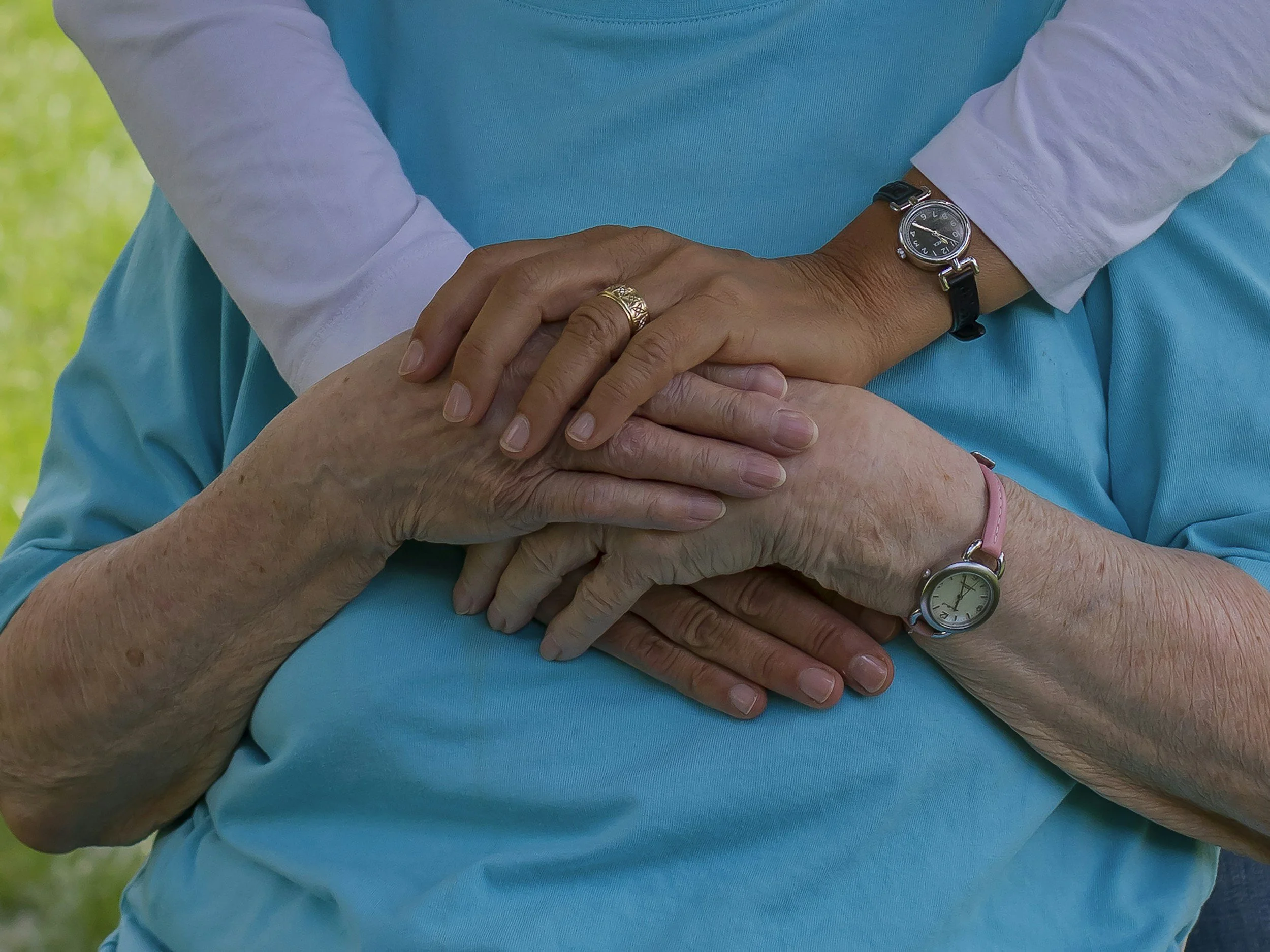
For Caregivers…Your Exhaustion Is Real and Valid, Too
We want to take a moment to speak directly to the caregivers, family members, friends, and advocates who show up every day for survivors they love. Your exhaustion is real. Your burnout is valid. Your need for rest and support is just as important as anyone else's.
Holding space for someone else's pain, especially when you love them deeply, is one of the most generous and emotionally demanding things a human being can do. Compassion fatigue, the exhaustion that comes from caring, is a recognized experience that affects countless people who give their hearts to supporting others.
If you are a caregiver reading this, please know: taking care of yourself is not abandoning the person you love. It is what makes sustainable, loving support possible over the long term. You cannot be fully present for someone else while you are running on empty. Your rest matters. Your healing matters. Please extend to yourself even a fraction of the grace you so freely offer others.
The 1st 28 Foundation is a space for you, too. Our resources, journals, and community programs are open to everyone walking alongside a survivor. You are seen here. You belong here.
When Burnout Feels Like More Than Burnout
We want to pause here for something important. Sometimes what feels like burnout is also carrying signs of something deeper — depression, anxiety, a trauma response, or a mental health crisis. These experiences can look very similar on the surface, and they can absolutely coexist.
If you are experiencing persistent feelings of hopelessness, thoughts of harming yourself, an inability to care for your basic needs, or a sense that life is not worth living, please reach out for support right away. These feelings are real, they are valid, and you deserve compassionate, professional care.
You are not a burden. Reaching out is an act of profound strength.
RAINN National Sexual Assault Hotline: 1-800-656-HOPE (4673) | rainn.org
Crisis Text Line: Text HOME to 741741
988 Suicide and Crisis Lifeline: Call or text 988
NAMI (National Alliance on Mental Illness) Helpline: 1-800-950-6264 | nami.org
There are people who are ready and waiting to support you. You do not have to face this alone.
You Still Have Light
No matter what you have been through. No matter how empty you feel right now. No matter how long you have been running on fumes. Nothing will take your light.
That light may be dim tonight. It may feel like it is barely flickering, buried under layers of exhaustion and weight you never asked to carry. We want you to know that we see it. The 1st 28 community sees it. We are here to help you tend it back to a flame, at whatever pace your heart and body need.
Burnout is not the end of your story. It is one chapter in a much longer journey, one that carries an important message about what you need, what you deserve, and how to care for yourself with the same tenderness you so freely offer others.
You are not alone. You never have been. Come as you are. Rest when you need to. Reach out when you're ready. We will be here.