The Quiet Courage of Everyday Healing
Nobody is going to throw you a parade for getting out of bed.
Nobody is going to hand you a trophy for making it through a meeting without crying, for going to the grocery store alone for the first time in weeks, for not texting your trauma back into your life when you were lonely at midnight. Nobody is going to see you white-knuckling your way through a Tuesday and say, "That took real courage."
We want to be the ones who say it.
What you are doing right now, in the middle of your healing, on the ordinary days when nothing feels significant, is one of the bravest things a human being can do. The world tends to celebrate the dramatic moments of survival. The speeches. The breakthroughs. The before-and-after stories. What it rarely honors is the quiet, unglamorous, daily work of choosing to keep going when keeping going is hard.
That is what this post is about.
Welcome back to Part 2 of our Still Standing series. In Part 1, we talked about reclaiming your identity after trauma and remembering that you are more than what happened to you. Now we want to talk about what healing actually looks like on a random Wednesday. Because most of healing does not happen in a therapist's office or a breakthrough moment. Most of it happens in the spaces in between, in the small decisions you make every single day to stay, to try, to keep going.
You are still standing. That does not happen by accident. That takes courage. And we think it is time someone told you so.

Nobody Talks About This Part
Here is something we have noticed. There is a lot of support available right after a crisis. Hotlines, emergency resources, hospital advocates, immediate crisis intervention. That support matters enormously, and it saves lives.
Then comes the part nobody talks about much.
The weeks, months, and sometimes years that follow where you are not in crisis but you are also not okay. You are somewhere in the messy middle. You are functional. You are showing up. You are paying bills and answering emails and responding to "how are you?" with "I'm fine, thanks." On the surface, everything looks like it is moving along.
On the inside, you are working harder than anyone around you knows.
You are managing triggers. You are doing the mental math of what you can handle today and what you cannot. You are rebuilding trust, maybe in other people, maybe in yourself, maybe in the idea that life can be good again. You are carrying something heavy while also trying to live your life.
This part of healing does not come with a lot of fanfare. The people around you may have moved on from what happened, even if you have not. You may feel pressure to be further along than you are. You may even tell yourself that what you are doing every day does not count as healing because it does not look dramatic enough.
It counts. Every single bit of it counts.
What Healing Actually Looks Like on a Regular Day
We want to paint a more honest picture of what healing looks like, because the version we usually see is not the full story.
Healing looks like waking up and deciding to stay.
Healing looks like calling your therapist even when part of you would rather cancel.
Healing looks like eating a real meal when your appetite is gone, because you know your body needs it.
Healing looks like turning off a TV show that triggered something in you instead of forcing yourself to push through.
Healing looks like texting back a friend instead of disappearing.
Healing looks like going to a family event and deciding ahead of time how long you will stay and giving yourself full permission to leave when that time comes.
Healing looks like the journal entry you wrote that you will never show anyone.
Healing looks like saying no to something that would have hurt you, even when saying no was uncomfortable.
None of those things look like a breakthrough. None of them will make it into an inspirational story. Every single one of them is an act of courage, because every single one of them required you to choose yourself in a moment when it would have been easier not to.
You are doing that every day. We see it, even when no one else does.
Why the Small Stuff Is Actually the Hardest
Here is the thing about everyday courage that makes it so hard. There is no audience for it.
When someone does something visibly brave, they get recognized for it. There is a witness. There is acknowledgment. Something shifts in the room. The courage gets confirmed.
When you are healing from trauma, most of your bravest moments happen in private. In your car. In your head. In your body. In the split second before you make a decision that honors your healing instead of abandoning it. Nobody claps. Nobody sees. You do not even always know you did it until later.
That kind of invisible courage is exhausting in a way that is hard to explain to someone who has not lived it. You are doing real work that uses real energy, and the world keeps moving like nothing is happening, because to the world, nothing visible is happening.
We want you to know that we understand this from the inside. Many of us at The 1st 28 Foundation have lived this exact experience. The everyday courage required to heal from sexual assault or trauma is significant, and it deserves to be recognized even when the only person available to recognize it is you.
Actually, especially then.
You Are Allowed to Have Good Days
This is something survivors do not hear enough, so we want to say it plainly.
You are allowed to feel good. You are allowed to laugh. You are allowed to have a day where the trauma is not the loudest thing in the room. You are allowed to enjoy your life.
Sometimes survivors feel guilty about good days. Like having a great afternoon means they were not hurt as badly as they thought. Like healing too much is somehow a betrayal of their own pain. Like they do not get to be okay until they have been punished long enough for something that was never their fault.
That guilt is not telling you the truth.
Joy is not a betrayal of your pain. Having good days does not mean the bad ones did not happen. It means your healing is working. It means the life that trauma tried to take from you is still yours, still showing up, still offering you moments of lightness when you least expect them.
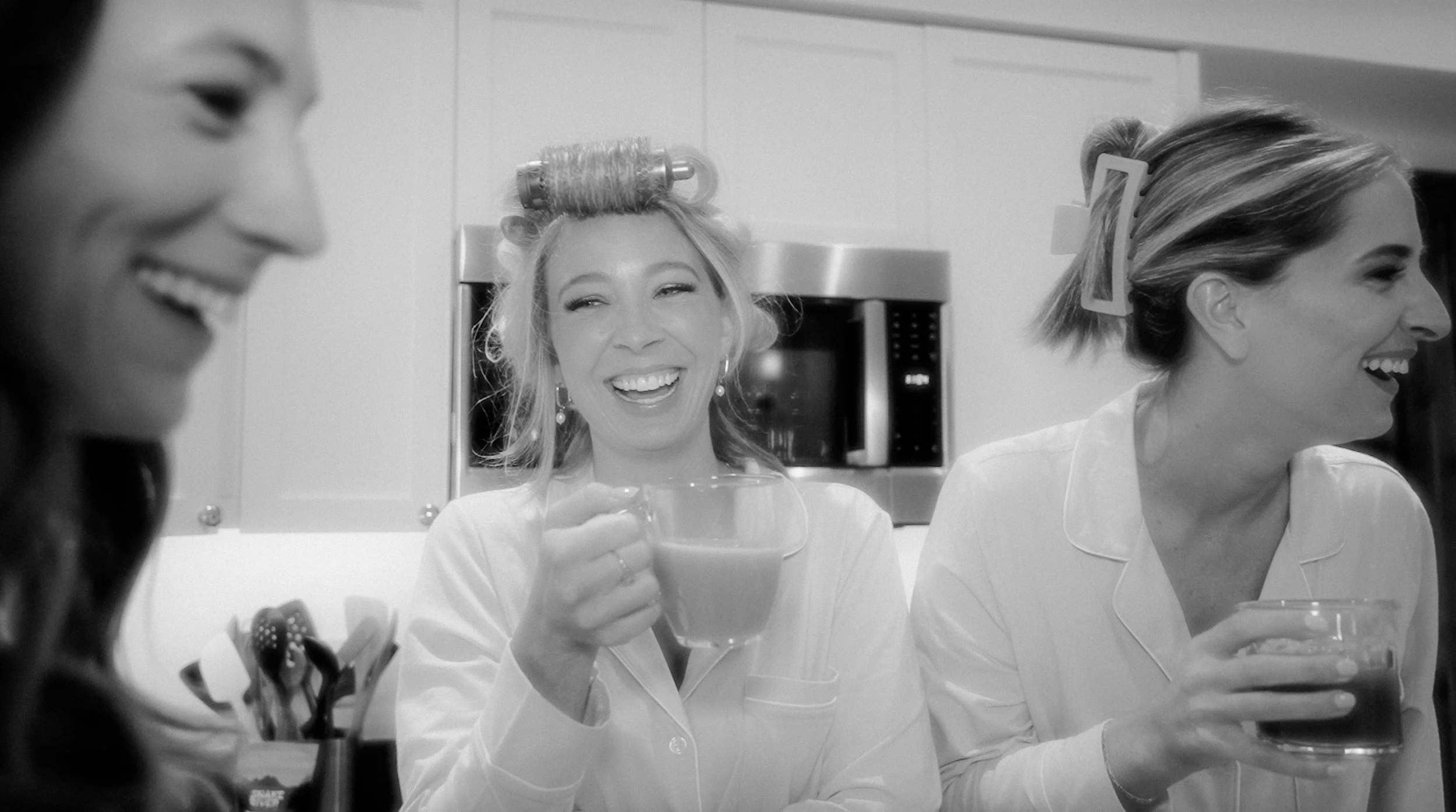
Still standing does not mean frozen in your worst chapter. It means being alive enough to experience all of it. The grief and the gratitude. The hard days and the good ones. The quiet moments where you catch yourself smiling and realize you forgot, just for a second, to be sad.
Those moments are not something to feel guilty about. They are something to celebrate.
Honoring the Courage You Show Up With Every Day
Since the world is not throwing that parade, we think you should start honoring your everyday courage yourself. Here is how some survivors do it.
Keep a small wins list.
At the end of the day, write down one thing you did that took courage, no matter how small. Made a phone call. Tried something new. Chose yourself in a moment when it was hard. Over time, that list becomes evidence of how much you are actually doing.Say it out loud.
Tell one person you trust about something hard you did today. It does not have to be big. It just has to be true. Being witnessed, even in small ways, can be deeply healing. Our healing services and community at The 1st 28 Foundation exist to be that space for you.Use your journal intentionally.
Our free Trauma Recovery Journal Prompts include prompts specifically designed for recognizing your own progress. Sometimes you need a question to help you see what you have been doing all along.Let yourself rest without guilt.
Rest is not laziness. For someone healing from trauma, rest is an act of radical self-care. Give yourself permission to stop, to be quiet, to do nothing. Your nervous system needs it.Connect with people who get it.
There is something irreplaceable about being in community with other survivors. People who understand what you are carrying without needing it explained. RAINN can connect you with support and resources at 1-800-656-HOPE (4673). The National Sexual Violence Resource Center also has resources to help you find community and connection in your healing.
If you are thinking about what your life looks like beyond survival, our The Next Chapter program walks alongside women who are ready to build something new, personally and professionally, on their own terms.
The Courage You Do Not See in Yourself
We want to close by saying something directly to the part of you that reads all of this and still thinks, "This is not really that brave. Anyone would do this. I'm just doing what I have to do."
That thought is wrong, and we say that with love.
Not everyone gets up. Not everyone keeps trying. Not everyone does the hard work of healing when they could just as easily go numb, disappear, or give up. The fact that you are here, still in it, still working through it, still choosing to engage with your own healing even when it is exhausting, that is not something everyone does.
That is something you do. It says something real about who you are. You are still standing. Not because it has been easy. Not because you have had it all figured out. You are still standing because you have this quiet, stubborn, remarkable courage in you that keeps showing up even on the days when you feel like you have nothing left.
We are so proud of you for that. We hope you are starting to be proud of yourself too.
Come back for Part 3 of the Still Standing series, where we talk about what it looks like to reclaim your dreams after trauma and give yourself permission to want more for your life again.
We are not going anywhere. We are right here with you.