You Are More Than What Happened to You
Can we be honest with each other for a second?
There is a version of you that existed before the assault. She had a whole life. Maybe she was still figuring herself out. Maybe she was confident and moving fast. Maybe she was quietly strong and nobody gave her enough credit for it. Whatever she looked like, she was yours.
Then something happened that was never supposed to happen. Something that knocked the ground from underneath you. You did the hard work of surviving the immediate aftermath. You kept going. You kept showing up. You did what you had to do.
So why does it still feel like you lost yourself somewhere in the middle of all of that?
That is actually one of the most common things survivors experience, and it is one of the least talked about. Not the crisis. Not the days right after. The quiet, slow question that creeps in later: Who am I now?
We want to talk about that today. We want to sit with it, look at it honestly, and remind you of something that took some of us a long time to believe ourselves.
You are not what happened to you. You were never just that. Even right now, even on the days when you cannot feel it, you are still standing. That means more than you know.
Welcome to Part 1 of our Still Standing series. We created this for survivors who are somewhere in the middle of healing. Not in crisis, not fully healed, somewhere in between and still moving forward. This one is for you.
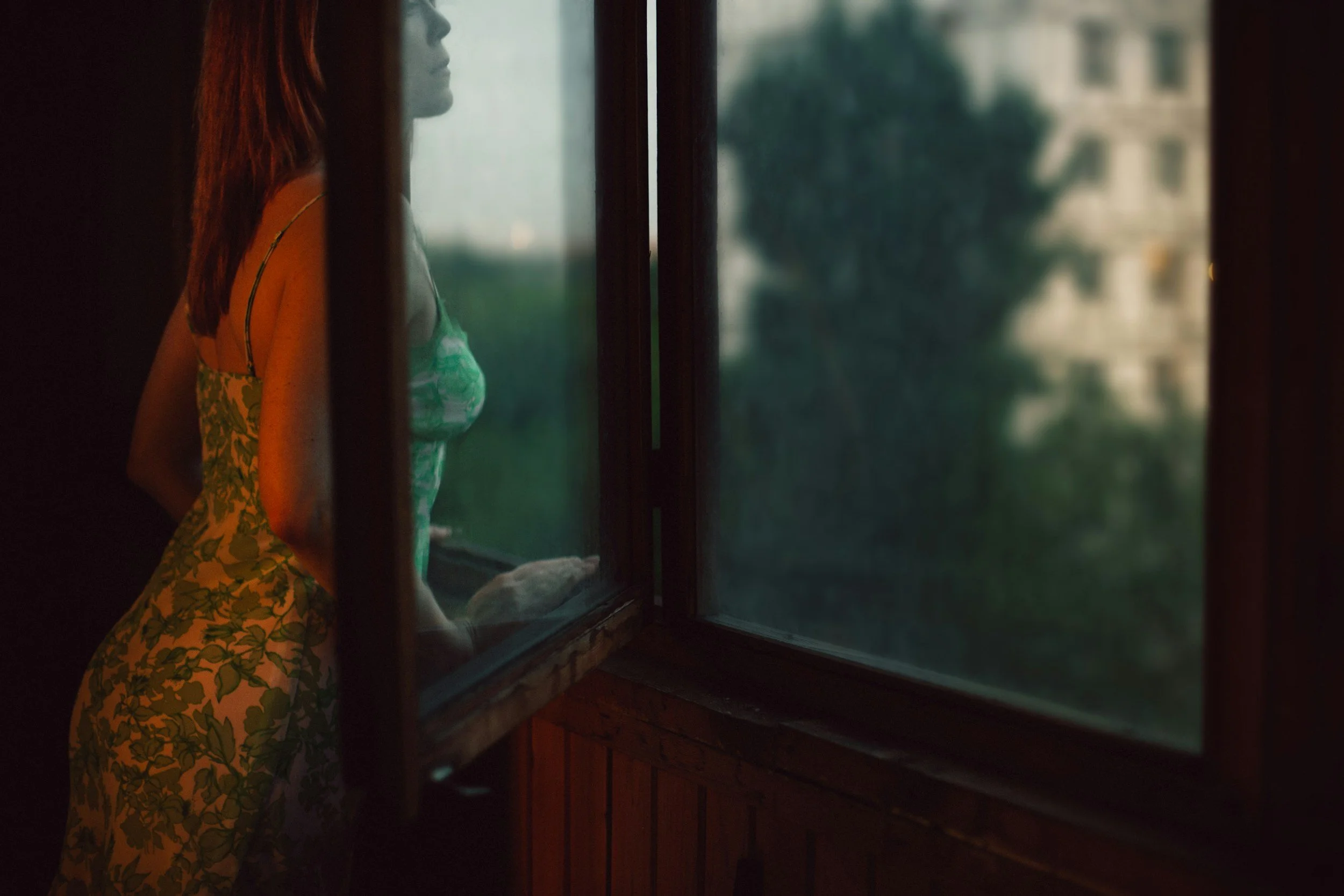
What Trauma Actually Does to the Way You See Yourself
Trauma does not just live in your memories. It moves into your identity and rearranges things. Over time, it starts to shape the way you talk about yourself, the way you walk into a room, even the way you answer the question "How are you?" with a smile when you are actually falling apart inside.
When you experience sexual assault, your brain and body go into protection mode. That shift is actually remarkable. It kept you alive. The hard part is that one of the side effects is that your sense of self gets reorganized around the trauma. Who you are starts to feel inseparable from what was done to you.
You might recognize yourself in some of these:
You describe yourself in terms of what you survived, not who you are
The person you were before the assault feels like a stranger
You struggle to connect with your own wants, your interests, even your sense of humor
Your body feels like it belongs to something else
You wonder if you will ever feel like yourself again
We want you to hear this clearly. Every single one of those experiences is a normal response to something that was absolutely not normal. None of that makes you broken. It means your identity took a serious hit, and it is working to find its footing. That process is not quick, it is not linear, and you are not behind.
The Lie That You Are What Happened to You
Here is something we see happen to survivors all the time. The world tells you to speak up and be seen. Then the moment you do, it quietly reduces you to the worst thing that ever happened to you. You become "the victim." Someone to be handled carefully, pitied, or avoided. Those outside labels have a way of becoming inside beliefs if we are not careful.
The trauma starts to whisper that the story of what happened to you is the whole story of who you are.
That is a lie. A convincing one, but still a lie.
What happened to you is a chapter. A terrible, unchosen, unfair chapter that you had no say in. It changed things. We are not going to pretend it did not. There is real grief in sitting with the fact that something happened that cannot be undone, and you deserve to feel all of that grief.
A chapter is not the whole book, though. Your story is bigger than the worst thing that ever happened to you.
You are a full, layered, complicated human being with a history that stretches far beyond one moment. You have relationships and gifts and memories and a future that has not been written yet. The trauma tried to take the pen from your hand. Healing is, at least in part, the practice of reaching for it again.
We say practice on purpose. This is not a one-time decision. It is something you return to. We know that from the inside. Those of us who have walked this kind of pain have had to choose ourselves over and over again, not because it felt easy, but because we were still standing. Still here. Still us.
The Parts of You That Were Never Gone
Here is something that might surprise you. Trauma cannot touch everything.
It can shake your sense of safety. It can disrupt your sleep, your trust, your relationships, and your sense of the future. It is real and it is powerful. Underneath all of that, there are parts of you that are still intact, quietly waiting to be remembered.
Your curiosity. Your warmth. Your sense of humor, even if it went into hiding for a while. The things that have always made you, you.
Reclaiming those parts does not mean pretending the trauma never happened. It means giving yourself a bigger definition of who you are, one where the trauma is part of the story but it is not running the whole show.
Some ways survivors have found their way back to themselves:
Going back to something they loved before, even in a small way
Spending time with people who see them as whole, not just as a survivor
Journaling about who they were, who they are now, and who they are still becoming
Letting themselves feel joy without guilt, because joy is not a betrayal of your pain
Writing down things about themselves that have nothing to do with the assault
Our free Trauma Recovery Journal Prompts were made for moments exactly like this one. They are gentle. They do not rush you. They meet you right where you are. If you have not downloaded them yet, that is a great place to start.

What Still Standing Really Means
When we say you are still standing, we are not saying you are fine. We are not saying healing is finished or that you have moved past what happened. Moving past it is not really the point. Carrying it, integrating it, and still choosing to live fully anyway — that is the point.
Still standing means you got up on the days when getting up felt impossible. It means you kept breathing through moments when your body forgot how. It means you are here, reading this, which tells us that something in you is still reaching toward life even when life has given you every reason to give up.
That is not a small thing. That is everything.
Still standing also means your identity survived. It looks different than it did before. It has been through something. There is grief in that, and there is also something else, something that is hard to name but that you can feel when you stop long enough to notice it. You are still you. Changed, yes. Growing, yes. Still you.
This series exists to help you find your way back to that truth. Not back to who you were before, because that version of you lived before she knew what she knows now. We are talking about moving forward, into the woman who holds both the grief and the growth at the same time.
Ways to Begin Rebuilding Your Identity Today
Rebuilding your sense of self after trauma does not happen all at once. It happens in small, honest moments that add up. Here are some places to start.
Name who you are beyond your trauma.
Write down five things about yourself that have nothing to do with what happened to you. Your strengths, your values, how you show up for the people you love. Read them out loud if you can.Reconnect with your body on your own terms.
Trauma often creates a disconnect between who we are and where we live, which is inside our own bodies. Gentle movement, grounding exercises, or time outside can help you feel present in yourself again. Start wherever feels safe and go at your own pace.Find spaces where you are seen as whole.
Community matters so much in this kind of healing. Spaces where your trauma is acknowledged but is not the only thing people see about you are genuinely powerful. Our healing services and programs at The 1st 28 Foundation were designed to be exactly that kind of space for you.Give yourself permission to not have it all figured out.
Identity healing is not a checklist. Some days you will feel like yourself and some days you will not. Both are part of the journey. Give yourself the same grace you would give someone you love who is doing something genuinely hard.Reach out when you need real support.
You do not have to do this alone. You were never meant to. RAINN offers free, confidential support 24 hours a day at 1-800-656-HOPE (4673). The National Sexual Violence Resource Center has resources built specifically for survivors who are navigating the healing process. Asking for help is one of the bravest things a person can do.
If you are ready to think about what life looks like on the other side of this, our The Next Chapter program supports women in rebuilding personally and professionally, on their own timeline.
You Were Never Only the Worst Thing That Happened to You
We want to close by saying this one more time, because you may need to hear it more than once. You are not your assault. You are not your trauma response. You are not the hardest moment of your life. You are a woman who survived something that should never have happened to her. You are someone who has kept moving through pain that most people will never understand. You are complex and layered and full of things that have absolutely nothing to do with what was done to you.
You are still standing.
No matter what you have been through, nothing will take your light. Not the person who hurt you. Not the silence that surrounded you. Not the days when you forgot who you were. Your light is still there. It has always been there.
We are so glad you are here. Come back for Part 2 of the Still Standing series, where we talk about the quiet, everyday courage it takes to keep healing, and why that kind of courage deserves so much more recognition than it gets.
In the meantime, explore our healing resources and download your free journal prompts. We are here for you.